



Disclaimer: All information contained herein should be independently verified by the reader and not be relied upon without such verification. An automated external defibrillator is a medical device and should only be used according to the manufacturer’s instructions. Sudden cardiac arrest is a medical occurrence, and appropriate medical advice should be sought. Always dial Triple Zero in an emergency.
At a glance
- A heart attack occurs when blood flow to part of the heart is restricted or blocked; the heart usually keeps beating, and the person is often conscious.
- Sudden cardiac arrest occurs when the heart’s electrical system fails, causing it to stop pumping blood effectively.
- Knowing the difference between the two and their symptoms is essential because emergency responses differ for each.
Most of us have heard of a heart attack and cardiac arrest, but did you know these terms do not refer to the same condition?
Both involve the heart, can be life-threatening and are treated as medical emergencies. The key difference is what happens inside the heart and how people nearby need to respond.
A heart attack is a blood flow problem, while sudden cardiac arrest is an electrical one. One may leave the person awake and breathing while symptoms escalate. The other can cause sudden collapse, unresponsiveness and abnormal or absent breathing.
This article explains what each condition is, how to recognise it and what to do if you are nearby when an emergency happens. The difference is not always obvious in the moment, but knowing what to look for can help you act faster.
What Is a Heart Attack?
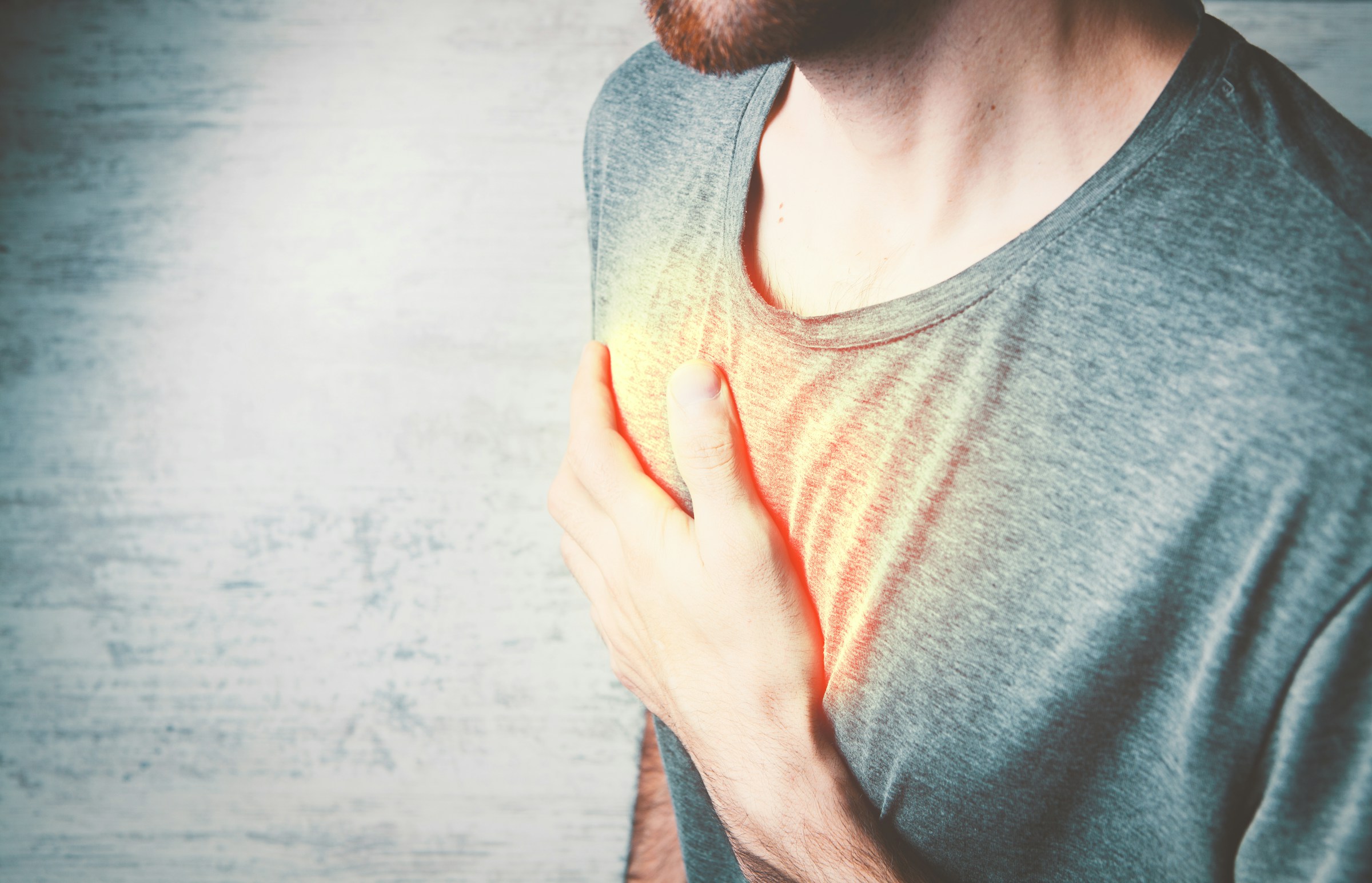
A heart attack is a blood flow problem that occurs when blood flow to part of the heart muscle is blocked or reduced, meaning the affected area does not receive enough oxygen.
Unlike sudden cardiac arrest, the heart usually keeps beating during a heart attack. The person may still be awake, breathing and able to describe their symptoms. These symptoms can appear suddenly or build gradually over minutes, hours or even days.
Common symptoms include:
- Chest pain, pressure or tightness
- Pain spreading to the arm, shoulder, neck, jaw or back
- Shortness of breath
- Nausea
- Dizziness or lightheadedness
- Cold sweats
- Unusual fatigue or weakness
Not everyone experiences the same symptoms, so any possible signs of a heart attack should be taken seriously.
According to St John Australia, if someone appears to be having a heart attack, follow the standard first aid action plan DRSABCD (Danger, Response, Send for help, Airway, Breathing, CPR, Defibrillation) and encourage them to stop what they are doing and rest. Help them sit or lie in a comfortable position, reassure them and loosen any tight clothing. If they have prescribed medication for chest pain or angina, help them take it as directed.
Ask them to describe their symptoms. If symptoms are severe, get worse quickly or last more than 10 minutes, call Triple Zero (000) for an ambulance, stay on the phone and wait for advice. Stay with them until medical help arrives, and be prepared to give CPR if symptoms worsen. [1]
What Is Sudden Cardiac Arrest?
Sudden cardiac arrest is an electrical problem in the heart that happens when the electrical signals that control the heartbeat malfunction, causing the heart to stop pumping blood effectively to the brain, vital organs and the rest of the body.
Unlike a heart attack, sudden cardiac arrest often happens with little or no warning. The person may collapse, become unresponsive and stop breathing normally. Gasping, noisy or irregular breathing should not be mistaken for normal breathing.
A common rhythm linked with sudden cardiac arrest is ventricular fibrillation, where the heart’s lower chambers quiver instead of squeezing properly. When this happens, the heart cannot pump blood effectively, and immediate CPR and defibrillation are needed to give the person a chance of survival.
If someone is unresponsive and not breathing normally, call Triple Zero (000), start CPR and ask someone nearby to get an AED. An automated external defibrillator, or AED, is a device that analyses the heart’s rhythm and, if needed, delivers an electric shock to help restore a more effective rhythm. Use the AED as soon as it arrives and follow its prompts. The AED will analyse the heart rhythm and only advise or deliver a shock if a shockable rhythm is detected.
The time between collapse and defibrillation is critical. In these situations, having an AED only helps if it can be reached quickly, is ready to use and can guide a bystander through the response. For homes, workplaces, sporting clubs and travel settings, a reliable, portable AED keeps that readiness within reach.
When choosing an AED, look for features that support fast, confident action in a real emergency:
- Clear voice prompts: Step-by-step instructions help the responder focus on what to do next instead of relying on memory.
- Visual guidance: Lights, icons or diagrams can help show where to place pads and when to stand clear, especially in noisy or stressful environments.
- Fully automatic operation: A fully automatic defibrillator delivers a shock if a shockable rhythm is detected, eliminating the need for the responder to press a shock button.
- Adult and child modes: This helps the AED adjust prompts and shock energy for different emergencies.
- Portable, lightweight design: The easier the AED is to store, carry and keep nearby, the more practical it becomes for homes, workplaces, cars, sporting clubs and travel.
- Readiness monitoring: Battery, pad and device status alerts help owners confirm the AED is ready before use in an emergency.
In Australia, every AED sold to the public must be listed on the Therapeutic Goods Administration’s (TGA) Australian Register of Therapeutic Goods (ARTG), helping ensure the device meets strict safety and performance standards.
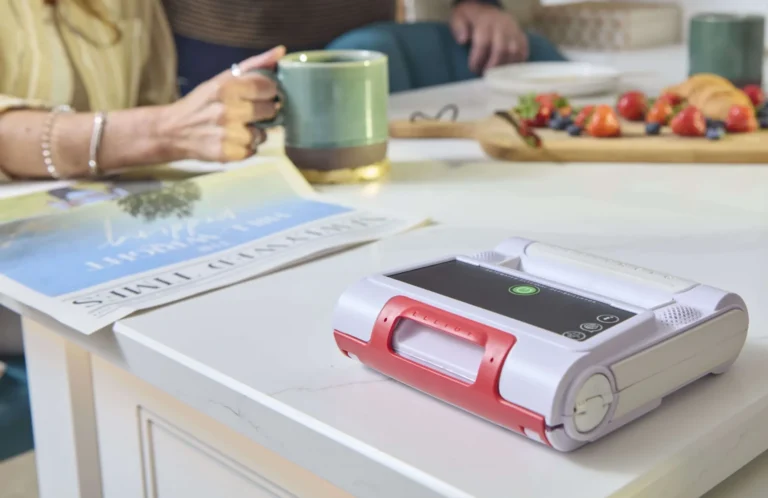
Elliot AED is designed around these same priorities. It is a lightweight, portable, fully automatic defibrillator with clear voice and visual prompts, adult and child modes, readiness features that help owners monitor battery and pad status over time and listed on the TGA’s ARTG.
Learn more about Elliot AED and how it can support emergency preparedness at home, at work and on the move.
Also Read: What Is an Automated External Defibrillator and How Does It Actually Work
Key Differences at a Glance: Heart Attack VS Sudden Cardiac Arrest
In a real emergency, bystanders often have seconds to assess a situation and decide what to do. Knowing the key differences between these two conditions can help make that decision quicker.
| Point of Difference | Heart Attack | Sudden Cardiac Arrest |
| Main problem | Blood flow to part of the heart is blocked or reduced | The heart’s electrical system malfunctions |
| What happens to the heart | The heart usually keeps beating | The heart stops pumping blood effectively |
| Consciousness | The person is often awake and able to speak | The person is usually unresponsive |
| Breathing | The person is usually breathing, although they may be short of breath | The person is not breathing normally or may only be gasping |
| Role of an AED | Not used while the person is awake and breathing. | Critical if available, as the AED can analyse the rhythm and deliver a shock if needed |
| Link between the two | A heart attack can sometimes trigger sudden cardiac arrest | Sudden cardiac arrest may happen after a heart attack, but it can also occur without one |
A heart attack can sometimes trigger sudden cardiac arrest if it destabilises the heart’s electrical activity. They are not the same condition, but they can be connected. This is why possible heart attack symptoms should never be dismissed and why a sudden collapse with no normal breathing should always be treated as cardiac arrest.
Knowing which one you’re dealing with changes what you actually need to do. For a suspected heart attack, call Triple Zero (000), keep the person still and follow the emergency operator’s instructions. For suspected sudden cardiac arrest, call Triple Zero (000), start CPR and use an AED as soon as one is available.
If the person is unresponsive and not breathing normally, do not wait to confirm whether the collapse began as a heart attack or another cause. Treat it as cardiac arrest and act immediately. Starting CPR and using an AED quickly can help support the person while emergency services are on the way.
Knowing the difference helps you recognise the emergency faster and respond in the way the situation demands.
FAQs
What causes sudden cardiac arrest?
Ventricular fibrillation is one common cause, but cardiac arrest can also be linked to coronary artery disease, cardiomyopathy, previous heart attack, inherited rhythm disorders, severe trauma, drowning, electrocution, overdose or major oxygen loss. For more details, read our guide on what sudden cardiac arrest is and why it happens.
What should I do if I am not sure whether it is a heart attack or cardiac arrest?
Check responsiveness and breathing first, not the type of pain or how long the symptoms have lasted. If the person is unresponsive and not breathing normally, treat it as cardiac arrest rather than waiting to be certain. Acting on that assumption causes no harm if you’re wrong, but hesitating costs critical time if you’re right.
Do you need formal training to perform CPR or use an AED?
No. Formal first aid training is recommended and builds confidence, but it isn’t required to act in an emergency. AEDs are specifically designed for untrained, first-time users, with voice and visual prompts to guide every step, and the device will only deliver a shock if it detects a rhythm that requires one.
Citation
- St John Australia – Heart attack: https://stjohn.org.au/fact-sheet/heart-attack/