


At a glance
- Sudden cardiac arrest happens when the heart’s electrical system fails, stopping it from pumping blood effectively to the brain and vital organs.
- It is different from a heart attack, which is usually caused by a blockage that reduces blood flow to part of the heart muscle.
- Ventricular fibrillation is a common cause of cardiac arrest, but underlying heart conditions and other medical emergencies can also trigger it.
- Some people experience chest pain, breathlessness or dizziness, but many cases happen suddenly and without obvious symptoms.
- Because survival depends heavily on the first few minutes, fast recognition, CPR and access to an AED can all play a critical role in emergency response.
Around 26,000 Australians experience sudden cardiac arrest each year, and approximately 90% do not survive [1]. When cardiac arrest occurs, survival depends not only on the severity of the event but also on how quickly it is recognised and treated. Immediate CPR, rapid defibrillation and access to the right emergency equipment can all play a critical role in improving survival chances.
What makes sudden cardiac arrest particularly serious is that it often happens outside hospital settings. Around 70% of sudden cardiac arrests occur in homes, workplaces, sporting venues and other public spaces where medical professionals are not immediately available. In these situations, the first few minutes are critical.
Despite growing awareness around heart health, many Australians still misunderstand sudden cardiac arrest, including how it differs from a heart attack and why it can happen unexpectedly.
This article explains what sudden cardiac arrest is, what causes it and why rapid response plays such an important role in survival outcomes.
What Is Sudden Cardiac Arrest?
To understand sudden cardiac arrest, it helps to think of the heart as having two systems: a mechanical system that pumps blood and an electrical system that controls the heartbeat. Every beat is triggered by coordinated electrical signals that tell the heart when to contract. Sudden cardiac arrest (SCA) occurs when the electrical system fails.
SCA can cause the heart to stop beating or beat in a dangerously abnormal rhythm. In both cases, the heart can no longer pump blood effectively. Oxygen stops reaching the brain and other vital organs, damage can begin within minutes and the risk of death rises quickly without immediate treatment.
One of the most dangerous characteristics of SCA is how suddenly it can occur. A person may seem completely normal moments earlier, then collapse and become unresponsive. Their breathing may stop or become abnormal. Because SCA can initially look like fainting or a seizure, bystanders may not always recognise it as cardiac arrest.
What Are The Warning Signs of Sudden Cardiac Arrest?
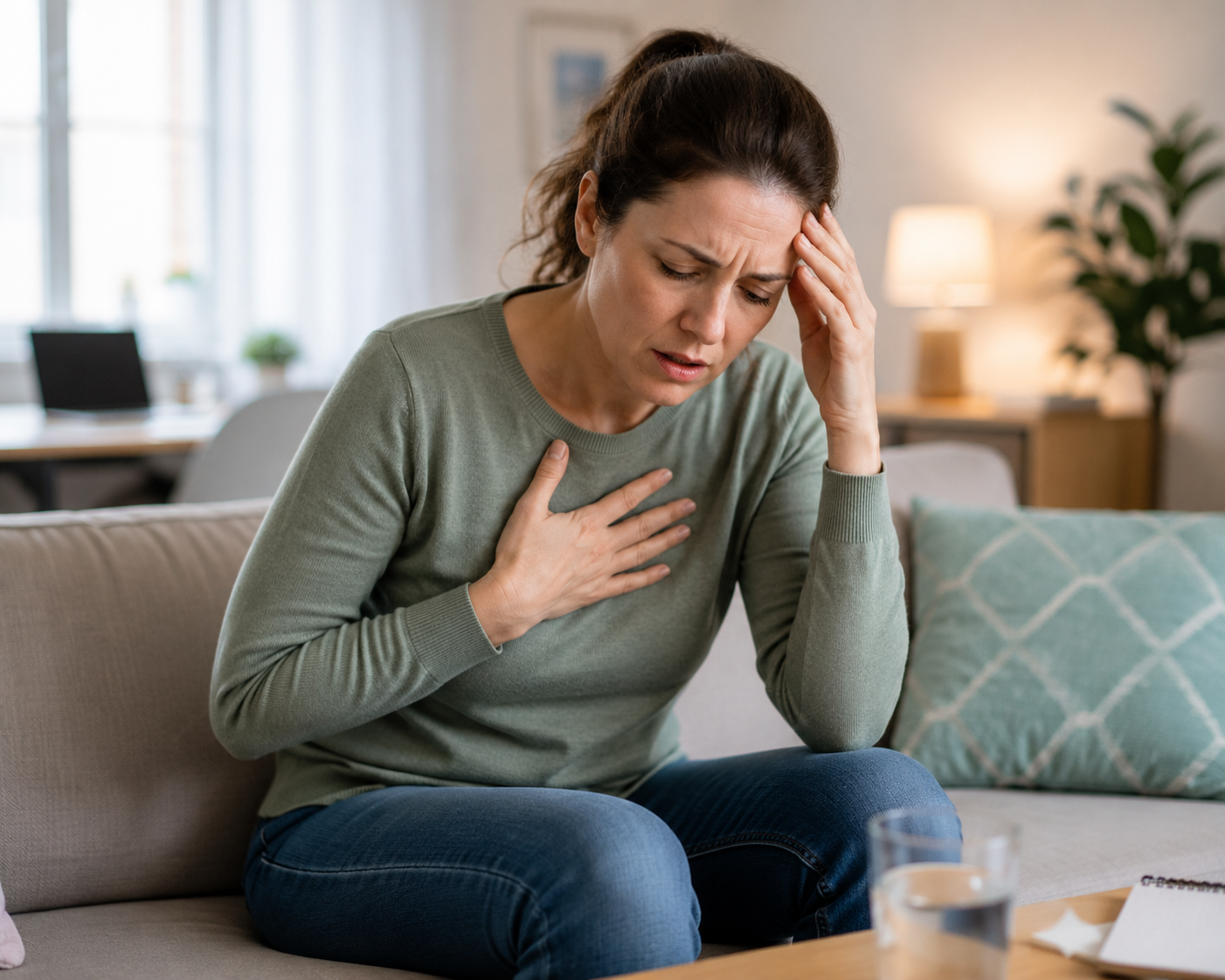
In some cases, but not all, people experience warning signs before a cardiac arrest occurs. In the hours, days or even weeks leading up to the event, some people experience:
- Chest pain or tightness
- Unexplained shortness of breath
- Dizziness or lightheadedness
- Heart palpitations: a racing, fluttering or pounding sensation in the chest
- Unusual fatigue, weakness or nausea that has no obvious cause
These symptoms are often mistaken for less serious issues such as stress, poor sleep or indigestion. However, many people experience no warning signs at all before cardiac arrest occurs. In these cases, the cardiac arrest itself may be the first indication of an underlying heart problem.
SCA vs. Heart Attack: A Distinction That Can Save a Life
Sudden cardiac arrest and heart attack are often used interchangeably, but they are not the same. The difference matters because each condition affects the heart differently and requires a different emergency response.
A heart attack is a problem with blood flow. It usually occurs when a blockage in one of the coronary arteries reduces or stops blood flow to part of the heart muscle. The muscle begins to die, but in most cases, the heart keeps beating. The person is often conscious enough to describe symptoms such as chest pain, pain radiating to the arm, shoulder, neck or jaw, shortness of breath, nausea, dizziness or cold sweats.
Sudden cardiac arrest is an electrical problem. It occurs when the signals controlling the heartbeat malfunction, causing the heart to stop beating effectively. The person suffering from SCA usually collapses, becomes unresponsive and stops breathing normally.
Unlike many heart attack situations, they may not be able to speak, call for help or explain what is happening. Someone nearby needs to act immediately by calling for emergency services, starting CPR and using an automated external defibrillator (AED) if one is available.
The two conditions, however, are connected. A heart attack can trigger cardiac arrest, and a history of heart attack is one of the strongest known risk factors for SCA. However, most heart attacks do not immediately lead to cardiac arrest. [2]
What Causes Sudden Cardiac Arrest?
Sudden cardiac arrest rarely has a single cause. In many cases, it develops as the result of an underlying condition that affects the heart’s electrical system, whether that condition has been diagnosed or not. Understanding the most common causes can help explain why cardiac arrest can occur so suddenly and why some people may be at greater risk than others.
Ventricular Fibrillation: The Most Common Cause
Sudden cardiac arrest is often caused by a dangerous abnormal heart rhythm called ventricular fibrillation or V-fib.
In a healthy heart, electrical signals travel through the chambers in an organised sequence, causing the ventricles (the heart’s lower pumping chambers) to squeeze together and push blood out to the body. In ventricular fibrillation, those signals become rapid and disorganised. Instead of squeezing properly, the ventricles quiver, leaving the heart unable to pump blood effectively to the brain and other vital organs.
Without treatment, ventricular fibrillation can quickly lead to collapse, loss of consciousness and cardiac arrest. It is one of the most common shockable rhythms associated with sudden cardiac arrest.
Underlying Heart Conditions
Many cases of sudden cardiac arrest are linked to an underlying heart condition, although it can also occur in people with no previously diagnosed heart disease. Coronary artery disease is a major risk factor. It develops when cholesterol and other deposits build up inside the coronary arteries, reducing blood flow to the heart and increasing the risk of heart attack, heart damage and dangerous rhythm disturbances. [4]
Cardiomyopathy can also increase the risk. This occurs when the heart muscle becomes enlarged, thickened or stiffened, making it harder for the heart to pump normally and increasing the chance of electrical instability.
Other heart-related risk factors include previous heart attack, heart failure, heart valve disease, congenital heart defects and inherited rhythm disorders. These conditions do not mean cardiac arrest will happen, but they can make the heart more vulnerable to dangerous electrical changes.
Other Triggers
Not every cardiac arrest begins with long-term heart disease. Some are triggered by medical emergencies or external events that severely affect oxygen supply, blood flow or the heart’s electrical stability, including:
- Severe trauma
- Major blood loss
- Severe lack of oxygen
- Electrocution
- Drowning
- Drug or medicine overdose
- Severe electrolyte imbalance
- Pulmonary embolism
- Hypothermia
In some cases, particularly among younger people, cardiac arrest may be linked to an inherited or previously undetected heart condition. This unpredictability is why fast recognition, CPR and access to an automated defibrillator matter in homes, workplaces and public spaces.
What Can Be Done: The Role of Bystanders and AEDs
When someone collapses from sudden cardiac arrest, two things need to happen immediately: CPR and defibrillation.
Cardiopulmonary resuscitation (CPR) manually circulates oxygenated blood when the heart is not pumping effectively. It does not correct the underlying rhythm disturbance, but it helps keep blood moving to the brain and vital organs while defibrillation is arranged. Without CPR, the window for a successful defibrillation shrinks rapidly.
For shockable rhythms such as ventricular fibrillation, defibrillation directly addresses the electrical problem. A controlled electrical shock can interrupt the abnormal rhythm and give the heart a chance to resume a more effective rhythm. This is where an automated external defibrillator becomes critical.
An AED is a portable defibrillator that detects life-threatening abnormal heart rhythms. Once the pads are applied, the device analyses the heart rhythm and determines whether a shock is required. It will only deliver or advise a shock when a shockable rhythm is detected. When CPR is performed and an AED is used within the first 3 to 5 minutes, survival rates can increase significantly. [3]
Modern AEDs guide users through each step, allowing people without medical training to use them. They provide voice prompts, show where to place the pads and will only advise a shock when the device detects a shockable rhythm.
Portable defibrillators are increasingly found in public spaces such as airports, shopping centres, gyms and sports facilities. But many sudden cardiac arrests happen away from public AED access, including in homes, workplaces, holiday settings and community spaces. This is why some families, business owners and frequent travellers are now considering portable AEDs as part of their own emergency preparedness.
For people who want access to a defibrillator beyond fixed public locations, the Elliot portable AED is designed to fit easily into everyday environments. Its compact, lightweight design makes it easier to carry between home, travel, outdoor activities and other environments where immediate access to an AED may not always be feasible.
Combined with step-by-step voice guidance and automatic operation, Elliot is designed to help people feel more prepared to respond during emergencies. Features such as automatic self-testing, battery monitoring and pad status alerts can also help owners stay informed about device readiness over time.
Sudden cardiac arrest is one of the most time-critical medical emergencies because it can happen without warning and can become fatal within minutes. While underlying heart conditions, ventricular fibrillation and other triggers can increase the risk, SCA is not always predictable. That is why awareness alone is not enough.
Knowing the difference between a heart attack and sudden cardiac arrest, recognising the signs of SCA, starting CPR and accessing an AED quickly can all play a critical role in improving survival outcomes. In many cases, the first response comes not from medical professionals, but from the people already nearby.
For homes, workplaces and community settings, preparedness means having the confidence and equipment to act before emergency services arrive. An automated defibrillator does not replace calling Triple Zero or performing CPR, but it can help close the gap between a cardiac emergency and professional medical care, when every minute counts.
FAQs
Can sudden cardiac arrest happen to someone who recently had a clean bill of health?
Yes. A recent check-up or normal test result can reduce concern, but it cannot rule out every possible cause of sudden cardiac arrest. Some people may have an undetected structural heart condition, an inherited rhythm disorder or a trigger that has not caused obvious symptoms. This unpredictability is one reason community access to AEDs is critical. Sudden cardiac arrest does not only affect people with a known diagnosis or obvious risk factors.
Can children and young people experience sudden cardiac arrest?
Yes. Sudden cardiac arrest is more common in older adults, but it can also affect children, teenagers and young adults, including people who appear fit and healthy. In younger people, cardiac arrest may be linked to congenital heart conditions, inherited rhythm disorders or structural heart problems that were not previously detected.
Can sudden cardiac arrest happen during sleep?
Yes. Sudden cardiac arrest can happen at any time, including during sleep. When it occurs unwitnessed, the person may not receive CPR or defibrillation quickly, which can reduce the chance of survival. This is one reason AED access is increasingly being considered beyond traditional public locations. For homes, workplaces and community settings, the key issue is whether someone nearby can recognise the emergency, call Triple Zero, begin CPR and access an AED as quickly as possible.
Citation
- ScienceDirect – National Funding for Cardiac Arrest Research in Australia https://www.sciencedirect.com/science/article/abs/pii/S1443950625017561
- American Heart Association – Heart Attack and Sudden Cardiac Arrest Differences https://www.heart.org/en/health-topics/heart-attack/about-heart-attacks/heart-attack-or-sudden-cardiac-arrest-how-are-they-different
- Heart Foundation – AEDs: Automated External Defibrillators https://www.heartfoundation.org.au/heart-of-the-nation/aeds
- Johns Hopkins Medicine – Cardiac Arrest https://www.hopkinsmedicine.org/health/conditions-and-diseases/cardiac-arrest